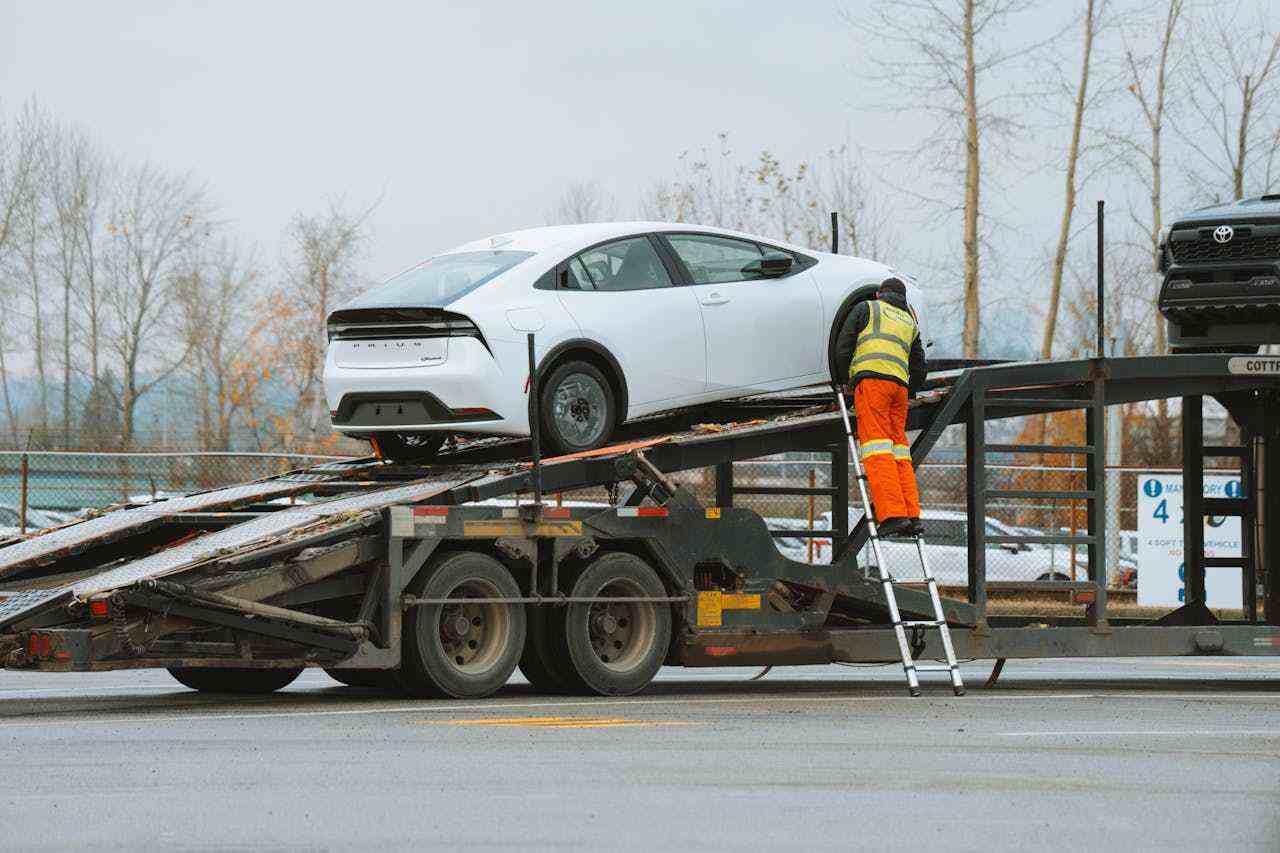
Transporting a vehicle can be daunting, whether you’re moving to a new city, buying a car from another state, or shipping a classic car for a show.
To ensure a seamless experience, it’s essential to approach car shipping with proper planning and precautions.
Here are some top tips for safe and reliable car shipping.
8 Tips for Safe and Reliable Car Shipping
Research Reputable Shipping Companies
The first step in car shipping is finding a trustworthy company. Look for shipping providers with positive reviews, industry certifications, and a solid reputation.
For example, if you’re in Oregon or shipping a car to or from the state, searching for car transporters in Oregon can help you find local professionals familiar with the region’s roads and regulations.
Check online forums, review sites, and the Better Business Bureau for ratings and feedback. Avoid companies with hidden fees or vague policies, and prioritize those that offer transparent communication and contracts.
Understand Your Shipping Options
Car shipping methods typically fall into two categories: open and enclosed transport. Open transport is more cost-effective and suitable for standard vehicles but exposes the car to weather and road debris.
Enclosed transport provides greater protection, making it ideal for luxury, vintage, or high-value vehicles. Choose the method that aligns with your budget and the value of your car.
Verify Licensing and Insurance
Ensure the shipping company has valid licensing and insurance coverage. Reliable transporters should provide proof of their Department of Transportation (DOT) number and insurance policy.
Review the coverage details to understand what is protected in case of damage during transit. You can also inquire about additional insurance if the standard coverage seems insufficient.
Prepare Your Car for Transport
Before handing over your vehicle, prepare it for the journey. Start by removing personal belongings and ensuring the fuel tank is no more than a quarter full to reduce weight.
Document the car’s condition by taking clear, dated photos of its exterior and interior. This will serve as evidence if you need to file a damage claim later.
Be Mindful of Seasonal Considerations
Weather and seasons can impact car shipping timelines and costs.
For instance, winter may cause delays due to snow or icy roads, while peak moving seasons in summer could result in higher demand and prices. Plan and consider these factors when scheduling your car shipment.
Communicate Clearly with the Shipping Company
Maintaining clear communication with the shipping company is crucial for a smooth process.
Confirm all details in writing, including pickup and delivery dates, the type of transport, and any special requirements. Keep a copy of your contract and contact information for the driver handy.
Stay Flexible with Delivery Times
Shipping a car can involve unexpected delays due to traffic, weather, or mechanical issues.
While reliable companies strive for punctuality, it’s wise to build some flexibility into your schedule. Avoid planning other critical activities around the estimated delivery time.
Inspect Your Car Upon Delivery
When your car arrives, inspect it thoroughly to ensure it’s in the same condition as when it was picked up. Compare its state with the photos you took before shipment.
Conclusion
Car shipping can be stress-free with the right approach. By researching reputable companies, understanding your options, and preparing your vehicle, you can ensure a safe and reliable process.
With these tips, your car will arrive at its destination securely, ready for the road ahead.