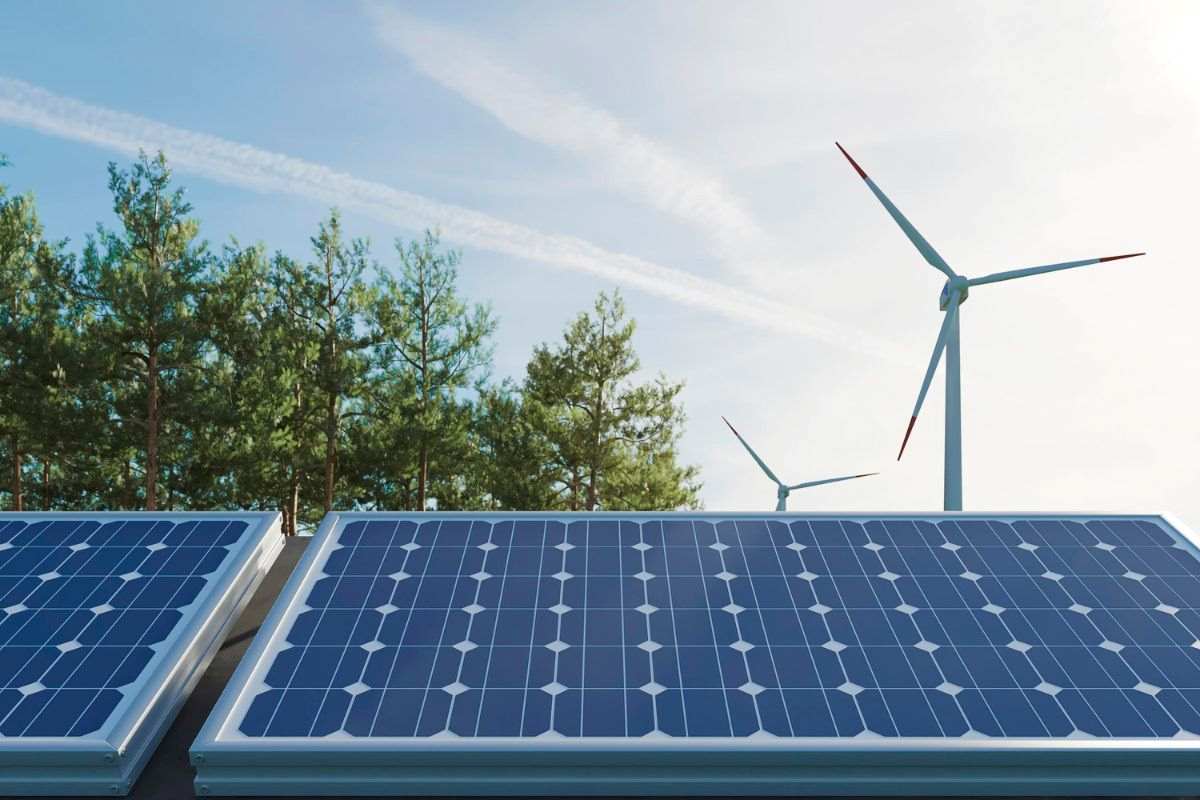
Exploring Renewable Energy Resources: Sustainable Power Revolution
A lot of environmental issues are coming up and the requirement to reduce carbon emissions is becoming urgent now.
So renewables become the most common source of green power. Such resources, based on the natural processes that are again and again replenished, contain no chemicals. And give benefits to us and the environment.
Here we’ll be looking at 5 renewable energy resources of how they can completely change the global energy environment.
5 Best Renewable Energy Resources
1. Solar Energy
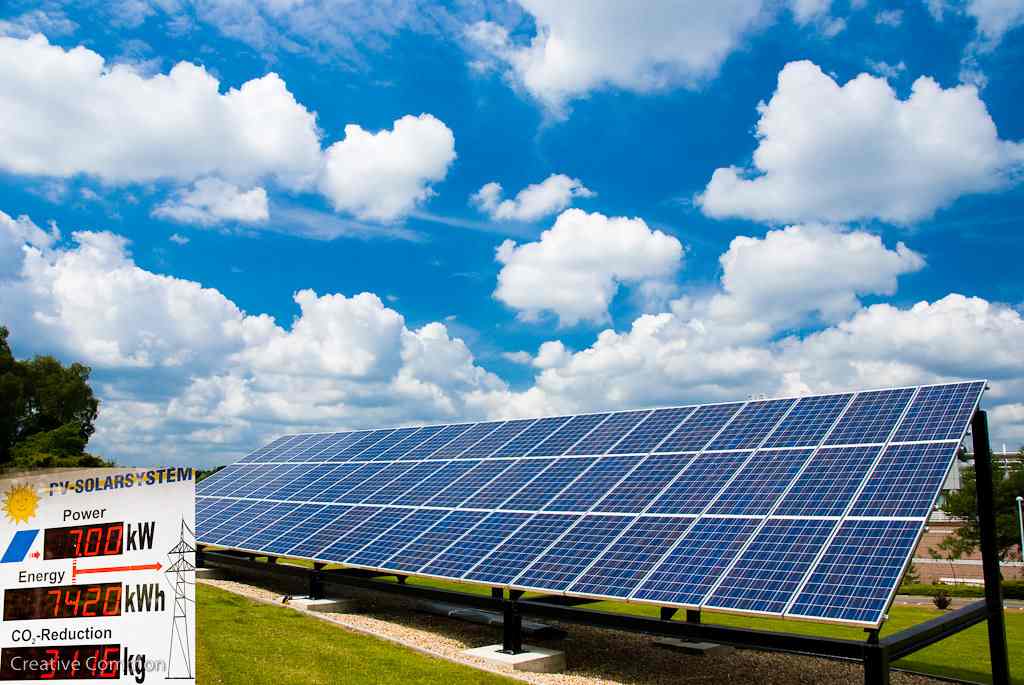
Among sources of renewable energy, solar energy is the most common. It comes straight from the sun, the most available and widely spread energy source. It is stored in sunlight through photovoltaic (PV) panels.
Which are directly convertible to the aesthetic power or through the solar thermal systems. Where the sunlight is used to heat water or other fluids for thorough electricity generation or heating purposes.
2. Wind Energy
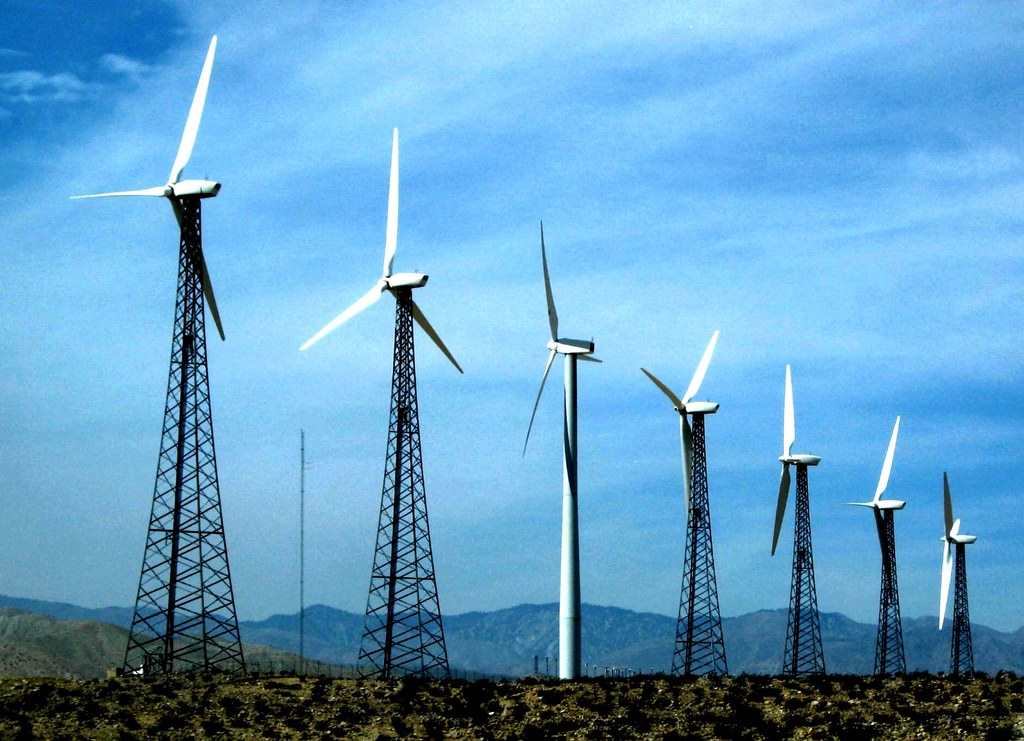
Wind energy is one of the alternative energy sources that are obtained from the kinetic energy of wind and is converted into electricity.
Turbines with blades are just a simple design that rotates in the wind and drives generators to make electricity. Wind energy is virtually unlimited, extends over vast regions and its generative capacity is high.
3. Hydroelectric Power
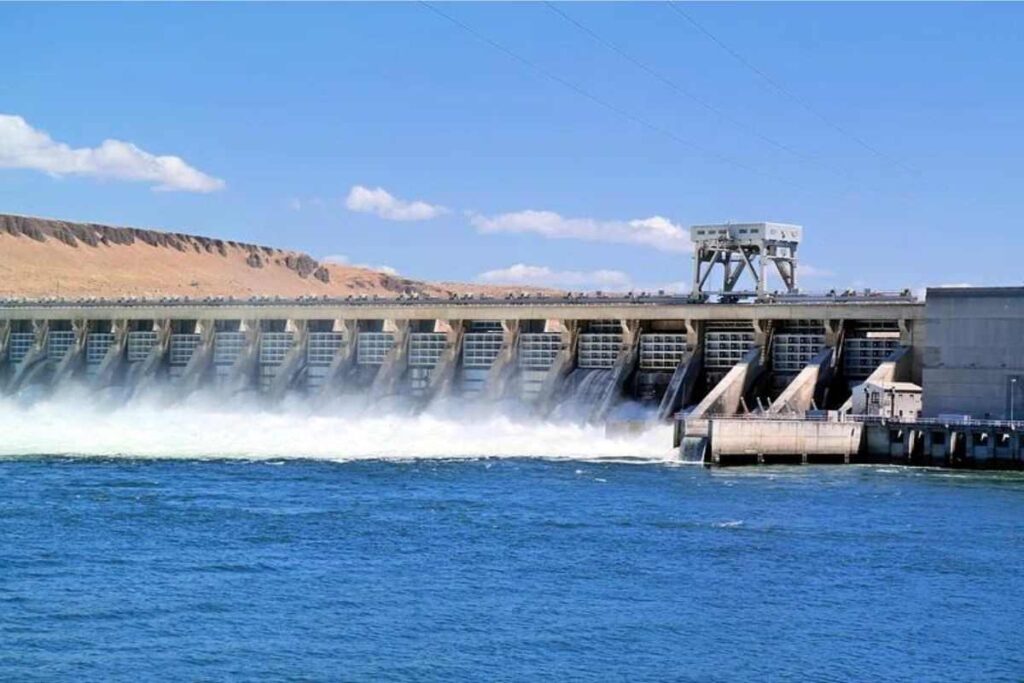
Hydroelectricity utilizes the power of flowing water that is usually stored in dam reservoirs or even rivers to generate energy.
It is one of the oldest and most diffused renewable energy sources. Which also happens to be just one of the major sources of electricity worldwide. Hydroelectric plants can vary in size from small impact dams to big hydroelectric projects.
That usually produces energy by the use of dams and reservoirs. Hydropower on the other hand presents a reliable and constant counter source of electricity, but may also create such considerable impact on the environment.
And the social life of humanity, such as habitat disruption, ecosystem degradation, and displacement of communities.
4. Biomass Energy
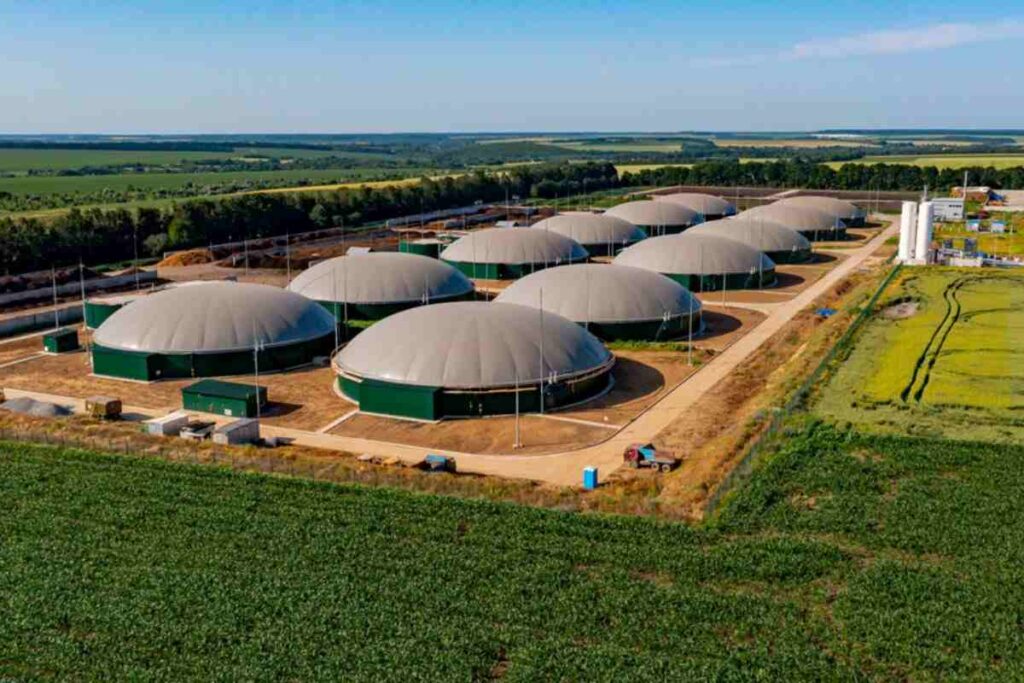
Using biomass or biogenous materials like wood, agricultural residues and organic waste, which can be burned or even bio-fueled (gasoline, diesel, etc.). To ensure heat and electricity production or transportation of goods.
The pros and cons of renewable energy are many and its name is given to biomass because carbon returns to nature, for example, through tree planting or crop cultivation.
Biomass energy can be sustainable based on factors like how land is being used. How are the feeding availability and the efficiency of conversion technologies?
5. Geothermal Energy
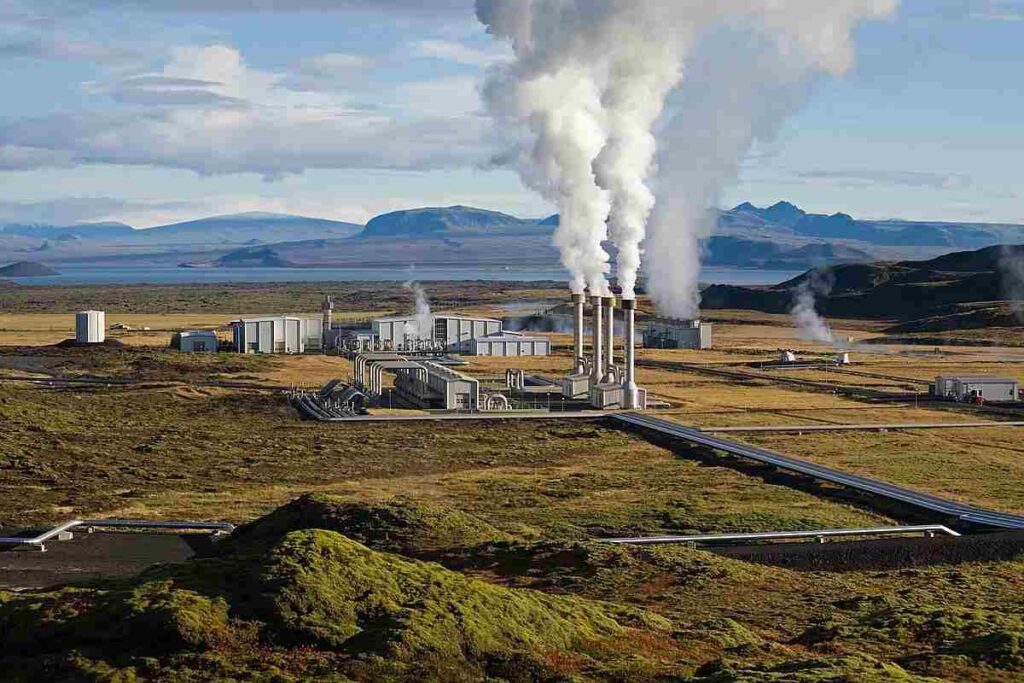
Geothermal energy, tapping the Earth’s underground heat, can be used for electricity production or to heat and cool buildings directly.
In general, it exploits existing geological formations, be it hot springs, geysers, or magma reservoirs. To take advantage of the heat that lies underground.
Geothermal power plants employ steam or boiling water from a geothermal resource heated to the extent to be used to drive a turbine and generate electricity.
Geothermal power is replete and steady, potentially creating a stationary supply of reliable baseload electricity in the regions that are rich in geothermal.
What Are the Best Renewable Energy Resources?
If I had to say which renewable energy source is the best, I’d answer Wind power indeed.
Discovering the “most suitable” renewable energy source is a challenging and multilayer question that may be determined by various factors such as geographical site, resource accessibility, as well as technological maturity, and economic efficiency.
Each renewable energy source has its pros and cons. The selection of one renewable resource over the other may depend on some specific circumstances as well as priorities.
For example, Solar power is a highly processable and available energy source that can suit many different applications and regions around the globe. Offshore wind energy produces electricity in large quantities and can be subsequently exploited in land and sea combined.
Hydroelectricity offers great stability compared with intermittently operating wind or solar plants but raises serious issues for the environment and society, mostly those for large hydropower dams.
The Renewable Energy Revolution: Use Nature for The Benefits
In this world where climate change consequences are so drastic, it is very important to find alternative sources of energy that are environmentally friendly.
Renewables are lauded as the opportunity to solve environmental problems, but they only make the unquenchable thirst for clean energy dimly visible against the backdrop of rising carbon emissions and evaporating fossil fuel reserves.
But the lies are the same as a remedy, good things and bad things come together.
The Advantages of Renewable Energy
The advantages of renewable energies are not only unique and limited. It kills two birds with one stone: on the one hand, being used this way. It greatly reduces our dependency on exhausting fossil fuels, the harmful influence of which is obvious.
On the other hand, the harmful influence of extracting and burning fossil fuels is eliminated. We can undoubtedly reap the most from these sources if we do our part to mitigate greenhouse gasses, achieve clean air, and enhance public health in this way.
Among all the main advantages of renewable energy, its fixed character should be mentioned.
In contrast with fossil fuels, which are limited and non-renewable,
renewable sources, e.g. solar energy, wind energy, and water are infinite and freely available or take no extra cost. With this sort of abundance, the energy will be enough to last forever, which will create a better resilient grid and a more secure power supply for the future.
Here are 3 Pros of Renewable Energy
1. Environmentally Friendly
The power generated for the electricity sector with the utilization of renewables like solar, wind, and hydroelectricity emits very few greenhouse gases compared to those generated in the fossil industry like coal, oil, and natural gas.
Renewable energy is the answer to our emissions reduction quiz. Thus, by utilizing renewable energy resources, we can significantly cut down our carbon footprint, and consequently, the adverse impacts of climate change.
2. Energy Security and Independence
Renewable energy supplies above a country with large and widely distributed and thus limiting harsh foreign energy dependence.
A broader energy mix, including natural resources, could improve energy security through diversification, thereby decreasing the role of global energy markets as a source of vulnerability to supply disruptions and price fluctuations.
3. Economic Benefits and Job Creation
The direction of renewable energy development directs to the creation of new economic opportunities and makes the demand for job growth grow in many sectors such as manufacturing, construction, installation, and maintenance.
Disadvantages of Renewable Energy
As great as these renewable energy advantages are, there are challenges to be dealt with also. One of the most noticeable constraints deals with interrupted or nonstop generation as is the case with solar and wind energy.
Here are 3 Cons of Renewable Energy
1. Intermittent
Different from the coal, oil, or gas that burn upon need, the clean ones like sun and wind power are unstable.
They have to deal with weather conditions that may not be suitable for production so they can’t always generate when it’s required. This is an obstacle to the power grids’ balancing, and it is hard to maintain.
2. High upfront costs
Background for the renewable energy project construction, there might be significant costs associated with the setting up of solar panels or wind turbines.
The financial benefit starts once you start using the equipment, but acquiring the means to do so would be a roadblock to wider adoption.
3. Land use and environmental impact
While using renewable energy does not cause the same degree of pollution as using carbon sources, building big solar arrays or wind turbine farms can cover a lot of space and they may end up destroying wildlife habitat.
Furthermore, the Creation and throwing away of components of renewable energy technology can also cause contamination of the environment.
Our conclusion
On balance, renewable energy indicates where there is optimism in the face of the struggle to realize an Eco-friendly and environmentally responsible world. Through the judicious employment of nature’s natural riches.
We can lessen the carbon content which is a major issue globally, and at the same time improve our ability to counteract climate change and make our energy system cleaner and also more resilient for future generations.
Although renewable energy may be limited in some areas, and has its pros and cons. It is a fundamental aspect of the shift to renewable energy. Such a shift is critical for a future green and sustainable world.