

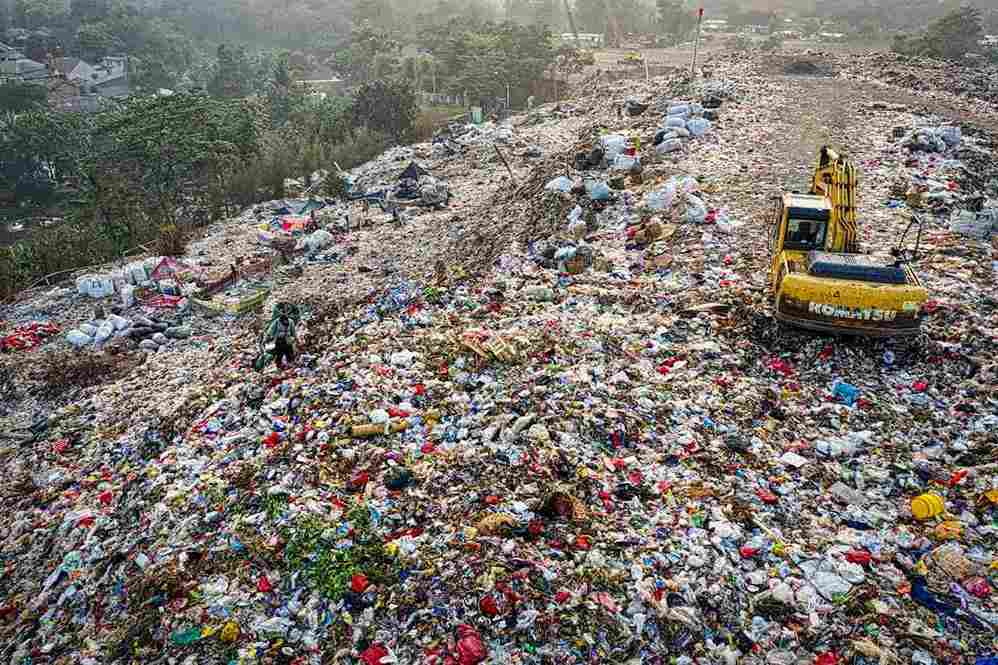

Managing waste on construction sites can feel like a daunting task.
With so much going on, it’s easy for waste management to slip down the list of priorities.
But here’s the thing—streamlining waste practices not only keeps your site safe and efficient, but it can also save money and reduce environmental impact. Wondering how to tackle it all?
Let’s break down seven practical ways to get it right.
1. Plan with a Waste Management Strategy
Do you have a clear waste plan in place before starting a project? If not, this should be step one, and it’s something you can do with the help of an expert. Take a look at this to get a good understanding. With a helping hand and the right dumpster rental, you’ll be better placed to get started.
A well-thought-out waste management strategy helps you map out how different types of waste will be handled, sorted, and disposed of. Begin by identifying the materials you’ll be using and what waste they’ll generate. From concrete and wood to packaging materials, knowing what to expect lets you put systems in place to manage them efficiently.
Include designated areas for waste collection on-site and ensure your team knows where everything goes. This isn’t just about keeping things tidy—it’s a legal requirement in many regions to properly separate and dispose of construction waste.
2. Use the Right Containers
Ever noticed how quickly waste piles up when the right disposal options aren’t available? Choosing appropriate containers for each waste type can make a massive difference.
- Skips and dumpsters – Essential for larger debris like concrete, bricks, and timber. Look into dumpster rental options to get the right size for your project’s needs.
- Recycling bins – Set up dedicated bins for materials like cardboard, metal, and plastics to keep recyclable items separate from general waste.
- Hazardous waste containers – If you’re dealing with items like chemicals or asbestos, ensure you’ve got secure, compliant containers on-site.
Having the right containers on hand simplifies sorting, which speeds up waste removal and keeps your site compliant with regulations.
3. Embrace Recycling and Reuse
Do you know how much of your construction waste could be reused or recycled? It’s probably more than you think! Materials like metal, wood, and even some types of concrete can be repurposed, saving resources and reducing the overall waste sent to landfills.
Talk to your suppliers about using recycled materials for your project, or consider setting up partnerships with local recycling facilities. You’ll be surprised at how much waste can have a second life instead of being discarded.
4. Train Your Team
Even the best waste management plan will fail if your team isn’t on board. Does everyone on-site know how to properly sort and dispose of waste? A quick training session or toolbox talk can make a world of difference. Cover the basics, like what materials go in which bins and the importance of separating hazardous waste.
When everyone understands the process and sees the value in managing waste effectively, it’s easier to keep the site running smoothly. Plus, it builds a culture of accountability—no more guessing or “I didn’t know where to put it” moments.
5. Consider Modular Construction
Have you heard of modular construction? This approach involves prefabricating building components off-site, which can significantly reduce waste. Since materials are cut and assembled in controlled environments, there’s less room for errors and leftover scraps.
While modular methods won’t suit every project, it’s worth exploring if you’re looking for ways to cut down on waste and speed up construction timelines.
6. Partner with Reliable Waste Removal Services
Waste removal doesn’t have to be a headache if you’ve got the right partners. Collaborate with waste disposal companies that specialize in construction materials. For larger projects, dumpster rental can be an efficient way to manage bulky waste without constant trips to disposal facilities.
Ensure your chosen service provider complies with local waste management regulations and offers recycling options where possible. It’s all about working smarter, not harder.
7. Track and Monitor Waste
Do you know how much waste your site is generating? Keeping track of waste volumes can help you spot inefficiencies and find ways to improve. Many waste disposal services provide reports that break down what’s being removed, recycled, or sent to landfill.
Reviewing these reports regularly can help you identify trends. Are there materials being wasted unnecessarily? Could recycling rates be improved? Monitoring gives you the insights needed to fine-tune your waste management practices for future projects.
Why Waste Management Matters
Efficient waste management on construction sites isn’t just about following rules or ticking boxes—it’s about creating a safer, cleaner, and more sustainable work environment.
When you invest in better waste practices, you save time, cut costs, and make a positive impact on the environment. It’s a win-win situation for your team, your budget, and the planet.
Moving Forward with Confidence
By implementing these waste management practices, you’re setting your construction site up for success. Whether it’s planning, investing in the right tools, or building a culture of recycling, small steps can lead to big improvements.
Take a look at your current processes—are there areas that could use a little fine-tuning? With the right approach, managing waste doesn’t have to be a hassle.