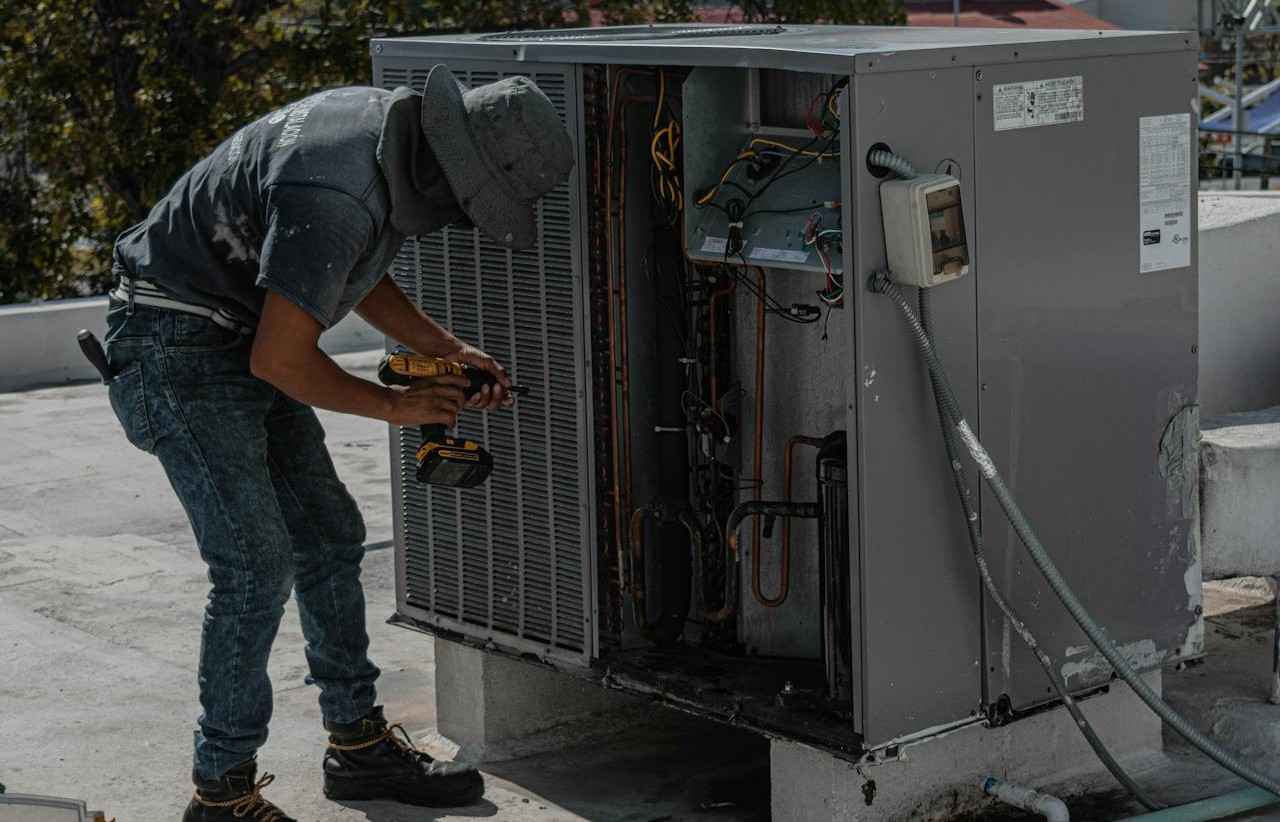
In a world increasingly dependent on controlled indoor climates, comfort often goes unnoticed until a disruption occurs.
You expect heating and cooling systems to operate silently, adjusting to your needs without fail. But behind this seamless experience lies a hidden layer of detail—technical, precise, and often misunderstood—that quietly ensures these systems don’t just function, but thrive.
4 Critical Electronics Measurements
1. Temperature Measurement and Sensor Calibration
HVAC systems should respond to environmental changes, and they do this via sensors. But sensors can drift, fail, or become dust-covered, giving misleading readings. Temperature probes and digital thermometers help ensure that return and supply temperatures match expected values.
Poor sensor calibration may cause short cycling, high energy bills, or uneven cooling and heating. Technicians who rely on well-calibrated tools can make accurate diagnoses, improve efficiency, and extend equipment lifespan—all things that matter deeply to owners who care about performance and operating costs.
HVAC systems rely heavily on sensors to monitor environmental and internal conditions, but these components can drift over time or fail outright. When this happens, the system may respond inappropriately—cooling too much, too little, or not at all. Regular calibration and precise measurement of temperature and pressure are essential to keep everything in balance.
For example, tools like the Testo vacuum probe offer technicians a reliable way to measure evacuation levels during system servicing, ensuring thorough removal of moisture and non-condensables before charging.
Such diagnostic precision boosts system performance and prevents long-term damage to compressors and other vital components.
2. Voltage and Current: The Pulse Check of HVAC Health
Measuring voltage and current is one of the most basic yet powerful ways to diagnose potential HVAC issues. Every compressor, fan motor, and circuit board relies on stable and appropriate power delivery. Too little voltage? The motor may struggle and overheat. Too much? Components may fail prematurely.
Electricians and HVAC technicians routinely measure amperage draw and voltage drop across components to detect imbalance or degradation. These readings tell a story about how the system works now and often serve as a crystal ball into future failures. For homeowners and business operators, paying attention to these early signs can prevent discomfort and costly repairs.
3. Capacitance and Resistance: Gauging Internal Health
Capacitors are like small energy batteries that jump-start motors within an HVAC system. Measuring their capacitance is essential to know whether they’re working efficiently or on the verge of failure. Conversely, resistance helps assess continuity in wiring and windings, which is key for confirming system integrity.
Compressors and fans may not start when capacitance readings fall below a certain threshold. High resistance in certain parts might indicate corrosion, broken wiring, or burned-out motors. These aren’t just numbers—they’re red flags for a technician and critical signals for a building owner trying to protect their investment.
4. Diagnostic Measurements for Control Boards and Communication Errors
In modern HVAC systems, electronic control boards are essentially the brains behind the operation. Diagnosing faults here involves:
- Reading LED blink codes and interpreting them
- Checking the DC voltage to confirm signal integrity
- Measuring communication lines for shorts or interruptions
- Using multimeters to inspect fuse continuity
These smart boards can indicate refrigerant levels, airflow problems, or safety switch failures—often before the system shuts down.
While it may seem complex, having a technician who understands how to decode these measurements can mean the difference between a simple service call and a costly replacement. Business owners benefit from this insight, as operational downtime can hurt productivity or customer satisfaction.
Conclusion:
In conclusion, HVAC maintenance and performance optimization is a blend of critical parameters- from airflow and temperature to accurate, timely data. Innovative measuring instruments that are reliable and easy to interpret are no longer luxuries but necessities. Investing in precise electronic diagnostics is the smartest path for homeowners and business operators toward comfort, efficiency, and long-term savings.