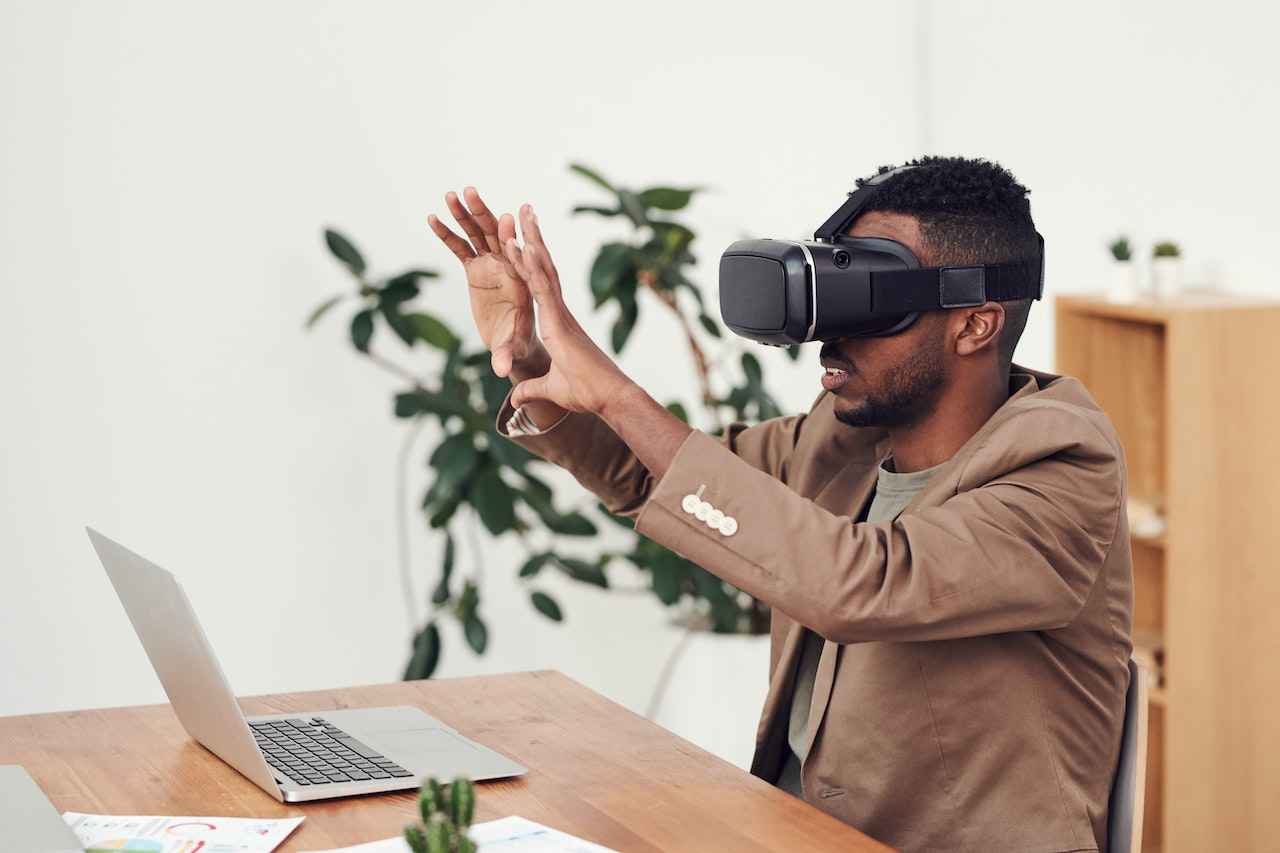
Virtual reality (VR) is a computer-generated simulation of a world that may be experienced via a headset or other devices. It immerses users in a virtual world where they may interact with things and surroundings.
Fully immersive, semi-immersive, and non-immersive VR exists. Fully immersive VR entirely replaces reality for the most immersive experience.
Semi-immersive VR lets users interact with real and virtual worlds, whereas non-immersive VR displays virtual items or surroundings on a computer or smartphone.
VR applications are growing quickly. Common ones are:
- Gaming: VR gaming immerses players in the game environment and lets them interact with people and items as if they were real.
- Education and training: VR may imitate medical procedures, military training, and aviation simulations.
- Healthcare: VR may cure anxiety, phobias, and PTSD (PTSD). It may also distract medical staff.
- Architecture & Design: VR may produce 3D models of structures and spaces for architects and designers to preview before construction.
- Entertainment: VR can offer immersive movies, concerts, and other entertainment experiences.
- Tourism: VR can provide customers with a virtual tour of tourist attractions without leaving home.
- Socialization: VR lets users participate in and experience events in virtual social areas.
Importance of Virtual Reality Headsets
VR headsets let users completely immerse themselves in virtual worlds. Why VR headsets matter:
- Immersion: VR headsets replace the actual environment with a virtual one for an immersive experience. Users feel like they’re in the virtual world with this degree of immersion, which enhances the experience.
- Interaction: VR headsets frequently include controls for user interaction. Interactions may vary from picking up things to controlling virtual machines. The interaction may enhance VR.
- Accessibility: VR headsets let people enjoy VR from home or work, making it more accessible. Those with mobility challenges or who live in distant places may not have access to physical VR venues; therefore, this accessibility is crucial.
- Training and education: VR headsets may simulate medical procedures and provide realistic language learning experiences. It allows students to practice in a safe atmosphere.
- Entertainment: VR headsets may increase entertainment by immersing users in VR games or virtual concerts completely.
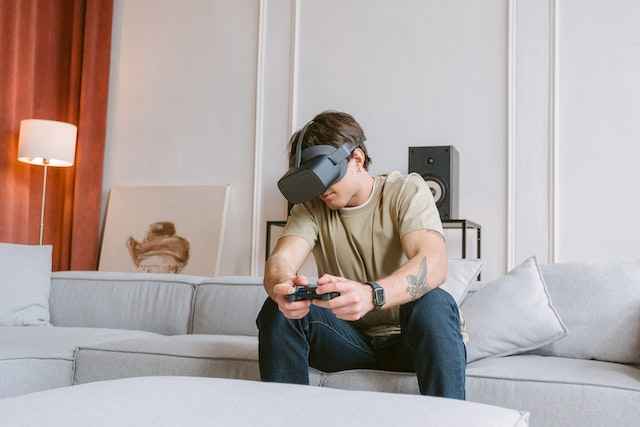
Types of Virtual Reality Headsets
Tethered Virtual Reality Headsets
Tethered VR headsets need a high-end gaming Computer or console. A connection connects the headgear to the computer or console, providing power and data for VR.
High-resolution screens and excellent tracking technologies make these VR headsets the best.
Pros:
- Superior VR visuals and tracking
- Useful for gaming and work.
- The headgear connects to a Computer or console, eliminating the need for a device.
Cons:
- Needs an expensive gaming PC or console.
- Cables restrict mobility and cause trips.
- Setup is hard and time-consuming.
Standalone Virtual Reality Headsets
Standalone VR headsets work without a Laptop or console. Built-in monitors, CPUs, and tracking devices enable wireless VR. While having less processing power than tethered headsets, these headsets provide a more practical and accessible VR experience.
Pros:
- Tetherless headsets are more portable.
- The headset is self-contained.
- Low-cost tethered headsets
Cons:
- Reduced graphics and tracking than tethered headsets due to lesser processing power.
- Battery and storage limitations
- Not all VR apps are supported
Smartphone-Based Virtual Reality Headsets
Smartphones power VR headsets are held in the headset’s shell.
These headsets are the most economical and accessible but provide a lower-quality VR experience than standalone or tethered headsets.
Pros:
- Cheap and available
- The headgear utilizes a smartphone; therefore, it’s unnecessary.
- Easily transportable
Cons:
- Reduced processing power than standalone and tethered headsets results in worse visuals and tracking.
- Smartphone compatibility issues
- Long-term wear is unpleasant.
Choosing The Right Virtual Reality Headset
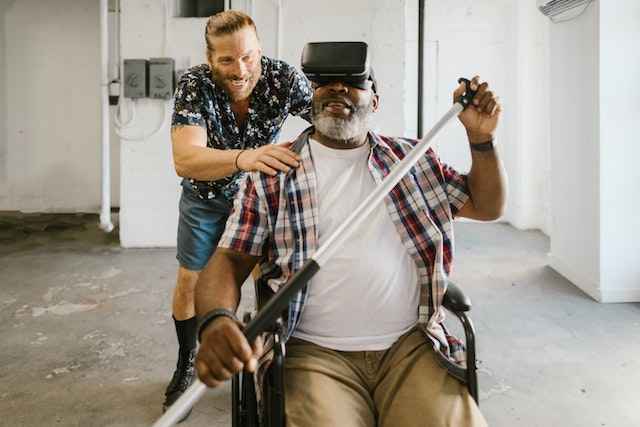
Factors to Consider When Choosing A Virtual Reality Headset
- Graphics quality: It is crucial when buying a VR headset. It comprises lens and optical quality, display resolution, and refresh rate. VR requires a crisp and immersive display.
- Comfort & Fit: VR headsets are weighty and difficult for long durations. A comfy headset is essential. Adjustable straps, cushioning, and ventilation make headsets pleasant.
- Controls and Input: A VR headset’s controllers and input may substantially impact immersion. Seek headphones with easy-to-use controls that track accurately. Several headsets include hand tracking or other inputs.
- Software and Game Selection: VR headset software and game selection are another key component. Search for headsets with many games and apps, and consider what you like.
- Price: VR headsets cost hundreds to thousands. Pick a headset depending on budget and goals. Balance pricing and performance to optimize value.
4 Best Virtual Reality Headsets
Oculus Quest 2
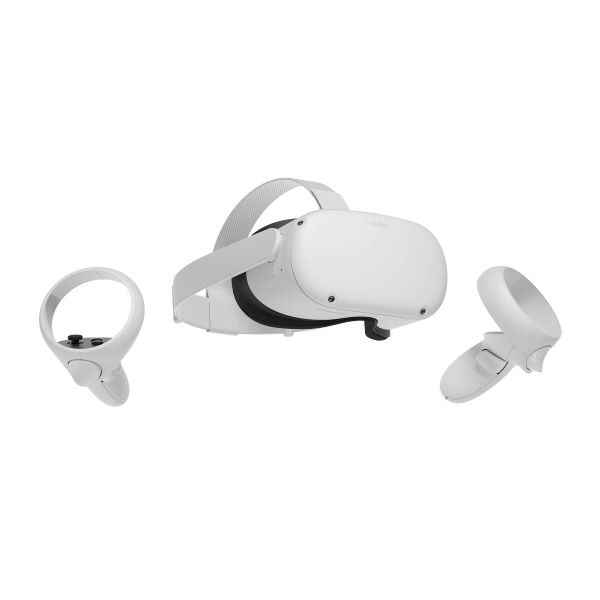
The Oculus Quest 2 provides a high-quality VR experience without a Laptop or console. One of the top VR headsets has a high-resolution display, comfortable fit, and straightforward controls.
Budget-friendly VR headsets like the Quest 2 are also inexpensive.
The Quest 2’s wireless functionality lets it travel freely without wires or cords. It offers a PC connection for more robust VR experiences.
Two touch controllers enable precise and responsive tracking for a more realistic VR experience with the Quest 2.
HTC Vive Cosmos Elite
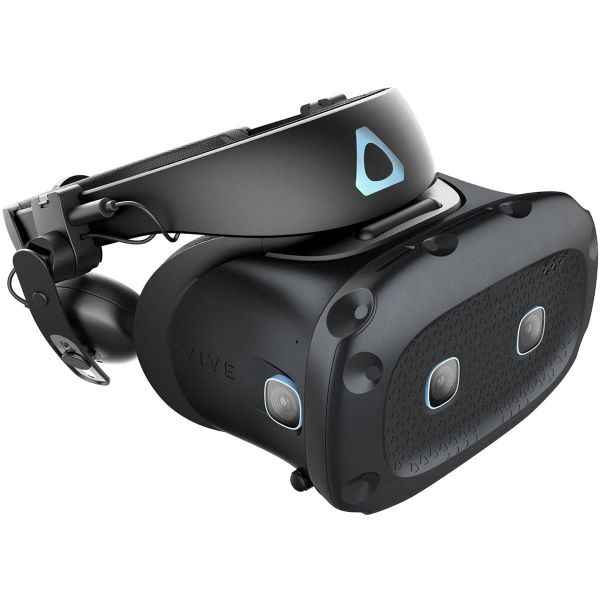
HTC Vive Cosmos Elite is a premium VR headset. It has a high-resolution display, comfortable fit, and precise tracking for high-end VR headsets.
The Cosmos Elite’s flip-up design lets users transition between VR and reality without removing the headset.
Base stations that monitor the headset and controllers with sub-millimeter precision make the Cosmos Elite stand out. Customizable controllers with finger tracking and haptic feedback enhance VR immersion.
The Cosmos Elite is one of the most costly VR headsets, making it less accessible to certain consumers.
PlayStation VR
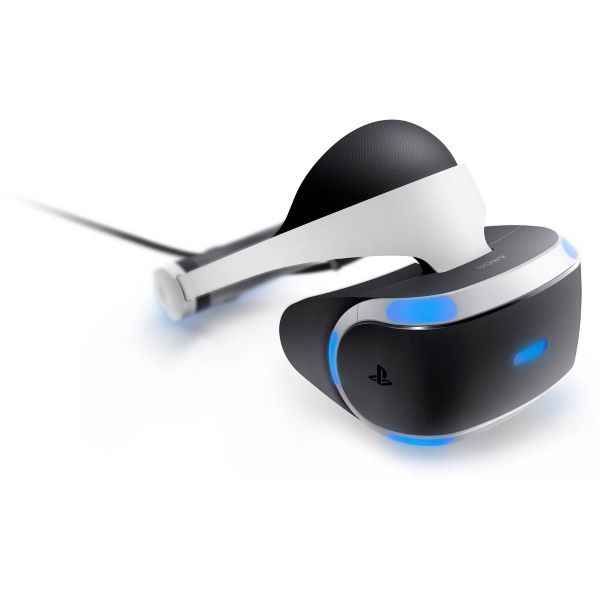
PlayStation VR works with PlayStation 4 and PlayStation 5. Console enthusiasts will love its comfortable fit and wide range of games, including several exclusives.
PlayStation VR is cheaper than competing console VR headsets.
The PlayStation VR’s compatibility with Sony’s newest system lets customers enjoy high-quality VR experiences.
The PlayStation VR works with numerous games, including Resident Evil 7 and Skyrim VR. PlayStation VR has a lesser resolution than other VR headsets, which may affect the VR experience.
Samsung Gear VR
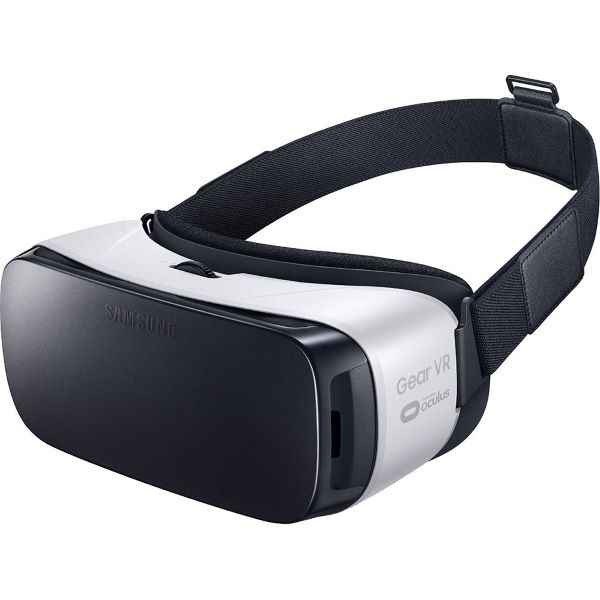
Samsung Gear VR, a smartphone-based VR headset, is portable and cheap. Its lightweight, easy-to-use design makes it ideal for mobile users.
Several Samsung devices are compatible with the Gear VR, making it widely available.
The Gear VR’s cost makes it a great alternative for budget-conscious consumers. Minecraft and Netflix are among their games and applications.
The Gear VR only works with Samsung smartphones, which may restrict its appeal.
Frequently Asked Questions (FAQs)
What Do I Need To Use A Virtual Reality Headset?
Virtual reality headsets need a gaming Computer, console, or smartphone. Connecting the headset to the device requires cords or wireless connections. Some VR headsets need extra sensors or base stations for tracking.
Are Virtual Reality Headsets Safe To Use?
VR headsets are safe when used appropriately. Prolonged usage may produce pain, motion sickness, or eye strain. Take pauses and adjust the headset for comfort and safety.
Can I Use A Virtual Reality Headset With My Glasses?
Depending on the headset and glasses, several VR headsets can allow spectacles. Some headsets offer changeable lenses for spectacles. Check the headset’s specs and adjust it for comfort.
Which Virtual Reality Headset Is The Best For Gaming?
Gaming VR headsets vary by pricing and choice. Oculus Rift S, HTC Vive Pro, Valve Index, and PlayStation VR are popular gaming VR headgear. These headsets provide excellent visuals, tracking, and immersive gameplay.
How Do I Clean My Virtual Reality Headset?
Use a microfiber towel to wipe your VR headset lenses and headset carefully. Avoid aggressive chemicals and abrasives that may damage lenses and headsets. To prevent germs, avoid sharing the headset and clean it periodically.
Conclusion
Nowadays, there are several high-quality virtual reality headsets on the market. The greatest VR headsets include the Oculus Quest 2, HTC Vive Cosmos Elite, PlayStation VR, and Samsung Gear VR. Graphics quality, comfort and fit, controllers and input, software, game choices, and affordability are essential concerns when picking a VR headset.
Your selections will choose the finest VR headset. Virtual reality technology might change how we engage with digital material. Virtual reality headsets are available for gamers, artists, and those seeking a new entertainment experience.