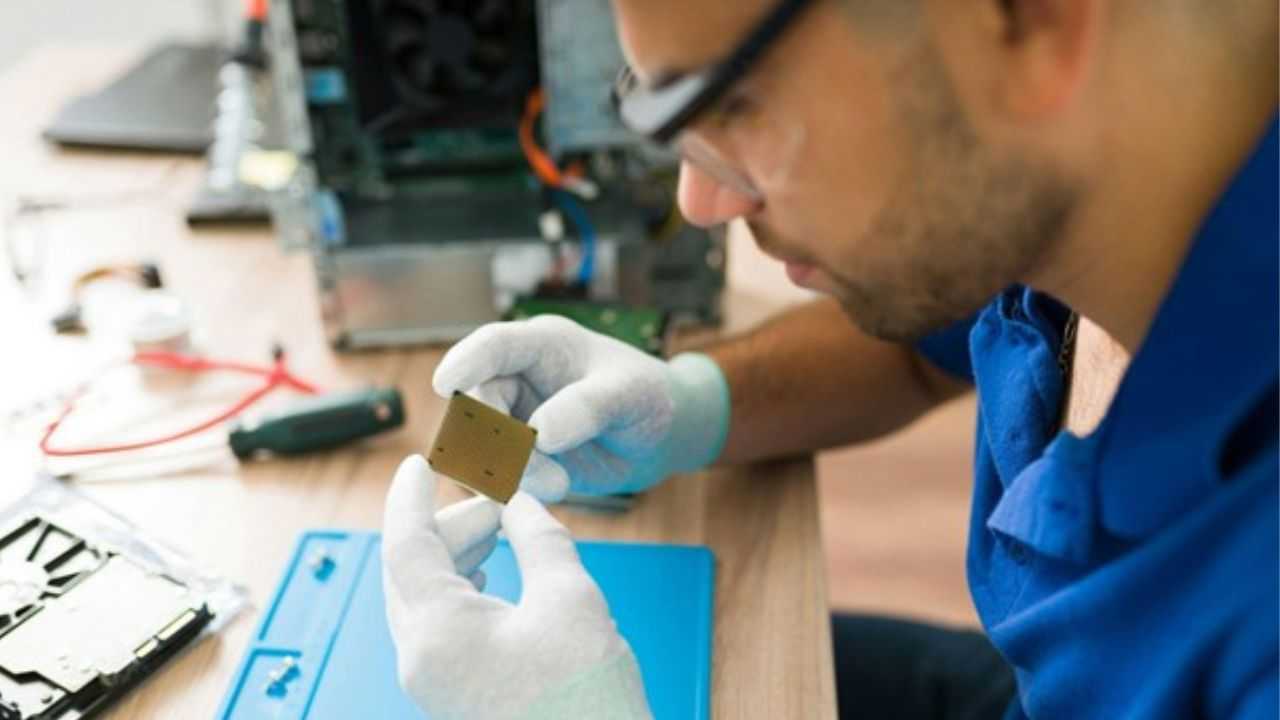
The semiconductor industry powers much of the modern world, enabling everything from smartphones to electric vehicles. It involves the design, fabrication, and testing of microchips that manage data and energy flow in electronic devices. These chips are essential to both consumer technology and large-scale industrial systems.
Within the industry, companies specialize in various areas such as chip design, wafer fabrication, equipment manufacturing, and quality testing. Each segment plays a critical role in ensuring devices run efficiently and reliably. As Rolf George Shervey notes, the growing demand for smarter, faster electronics has pushed the global semiconductor market to expand rapidly, influencing economies and tech innovations worldwide.
Education and Skill Development
Most professionals in the semiconductor field start with degrees in electrical engineering, physics, or materials science. These disciplines provide a strong foundation in the principles behind chip design, fabrication, and testing. Universities often offer specialized coursework or labs related to microelectronics, helping students gain hands-on experience.
In addition to technical knowledge, employers value candidates who can communicate ideas clearly, collaborate across teams, and approach problems with creativity. Engineers often work closely with supply chain, software, and business units, making interpersonal skills just as critical as technical proficiency. Participation in group capstone projects or industry-sponsored competitions gives students valuable experience in teamwork and project management.
Knowledge of tools like SPICE simulation software or experience with cleanroom protocols can further improve a candidate’s readiness. The combination of analytical thinking and technical fluency is key to thriving in design and manufacturing roles. Some universities partner with semiconductor companies, giving students early exposure to industry-grade equipment and workflows.
Career Roles and Progression
Starting roles in the semiconductor industry vary, but many begin as process engineers, test engineers, or product development specialists. These positions allow new hires to apply theoretical knowledge in practical settings while learning the nuances of chip production and validation. It’s not uncommon to rotate through departments to gain a broader understanding of operations.
As engineers gain experience, they may transition into senior technical positions or take on leadership roles managing cross-functional teams. Some choose to specialize deeply in one area, like RF design or yield analysis, while others move into broader project or program management tracks. The career path is often flexible, allowing individuals to align their growth with their interests and strengths.
Whether working at a major semiconductor firm or a nimble startup, professionals can chart a career that moves between technical innovation and strategic decision-making. The industry’s fast pace means opportunities for advancement are tied closely to those who embrace change and seek mentorship.
Gaining Practical Experience
Hands-on experience is often what sets a strong candidate apart. Many students land internships at semiconductor companies or research labs, where they’re exposed to real-world challenges like yield optimization or device characterization. These early opportunities help build both technical skills and industry insight.
Collaborating with fabrication facilities or working in a university cleanroom can sharpen problem-solving abilities while introducing students to the discipline required in high-precision environments. Even short-term projects with local startups or suppliers can offer valuable exposure to how theory translates into production. Participating in academic-industry joint ventures is also an effective way to gain familiarity with commercial workflows.
Staying Competitive in a Fast-Changing Industry
The pace of innovation in semiconductors leaves little room for complacency. Engineers who stay updated on advancements in process nodes, packaging techniques, and emerging materials often have a significant edge. Subscribing to journals, joining webinars, or participating in online courses can keep skills relevant.
Those who pursue certifications or advanced degrees often find themselves better positioned for promotions or transitions into niche areas like photonics or AI hardware. Attending conferences or contributing to open-source hardware projects can further enhance visibility and expertise.
Expanding Industry Connections
Building a strong professional network can open doors to job opportunities, mentorship, and collaboration. Attending industry meetups, joining technical societies, or engaging in online communities allows individuals to stay plugged into both trends and talent. Relationships formed at these events often lead to job referrals or project partnerships.
Geography plays a role as well. Hubs like Silicon Valley, Hsinchu, and Dresden offer dense concentrations of companies, research centers, and events that can accelerate career growth. Choosing to work in one of these areas often means greater exposure to innovations and a more vibrant professional ecosystem.