
Wearable fitness technology has changed how we exercise and stay healthy.
These gadgets have become popular as individuals take responsibility for their health and fitness.
It offers precise activity monitoring, individualized health objectives, and integration with other health data sources. Gamification and social networking also improve these gadgets, motivating users and making workouts fun.
Wearable fitness tech remains popular. As technology advances, we may anticipate increasingly sophisticated gadgets that offer consumers more specific health and activity data.
This will improve health and fitness choices and create a healthier, more vibrant society.
How Wearable Fitness Tech Is Changing The Fitness Industry?
Wearable fitness technologies changed the fitness business. These gadgets have changed how individuals measure their health and physical activity, creating new possibilities for fitness experts and companies.
Wearable fitness gear is transforming the market by making fitness tracking simpler.
These gadgets accurately track heart rate, physical activity, and sleep quality. Set objectives, measure progress, and alter workout programs using this data.
Fitness practitioners and companies have also benefited from wearable fitness tech.
Personal trainers and coaches may utilize wearable device data to provide tailored suggestions and training regimens.
At the same time, gyms and fitness studios can use it to measure member involvement and customize their offerings.
What to Expect from This Blog Post?
This blog article describes wearable fitness technology, including its description, examples of devices, advantages, how it records and assesses fitness data, the kinds of sensors used, how it syncs with smartphones and other devices, and how it may motivate and establish goals.
The blog article also examines wearable fitness tech’s safety, privacy, and applicability to various sorts of activity.
The piece also discusses wearable fitness tech gadget companies, and models, and how to choose one.
Readers will learn about wearable fitness technology, its advantages, and how to pick the proper gadget for their fitness objectives.
What Is Wearable Fitness Technology?
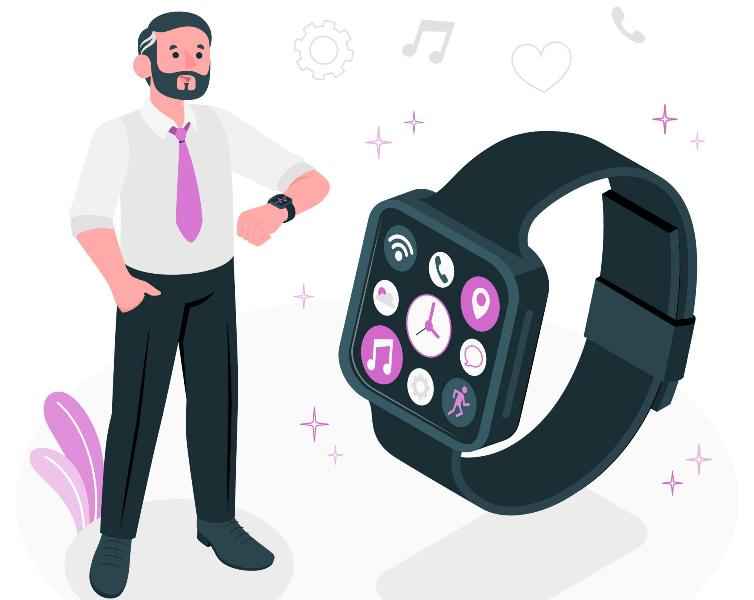
Definition of Wearable Fitness Technology
Electronics worn on the body to detect and monitor physical activity and health parameters are called wearable fitness technology.
These gadgets often include sensors that track movement, heart rate, sleep quality, and other health and physical activity information.
Examples of Wearable Fitness Tech Devices
Popular fitness technology gadgets include fitness trackers, smartwatches, heart rate monitors, and GPS watches. Fitbit and Garmin Vivosmart measure steps, calories, and distance.
Apple and Samsung Galaxy Watches offer GPS, audio players, and health monitoring applications.
Heart rate monitors like Polar H10 and Wahoo Tickr assess heart rate during activity, while GPS watches like Garmin Forerunner 945 track routes and pace for runners and other outdoor sports.
Benefits of Using Wearable Fitness Tech
Wearable fitness technology helps people become fit. Key advantages:
- Accurate physical activity tracking: Wearable fitness technology devices can accurately measure physical activity, helping users understand and modify their daily activity levels.
- Motivation and accountability: Wearable fitness technology gadgets may assess progress toward objectives and remind users to exercise.
- Customized suggestions: Several wearable fitness technology devices provide individualized recommendations based on user data to assist people in making health and fitness choices.
- Integration with other health data sources: Wearable fitness technology devices may link with nutrition applications and medical equipment for a complete health picture.
How Does Wearable Fitness Technology Work?
Explanation Of How Wearable Fitness Tech Tracks And Measures Fitness Data
Sensors and algorithms collect fitness data in wearable fitness devices. These wristbands and watches track health and physical activity.
Wearable fitness technology may measure exercise, heart rate, sleep quality, and more.
An accelerometer sensor tracks steps, and a heart rate monitor sensor measures heart rate during activity.
These sensors evaluate physical activity and health variables using algorithms that adjust for age, weight, and gender.
The wearable fitness technology gadget stores processed data for analysis and syncs with smartphones and other devices through Bluetooth or WiFi. This lets users monitor their fitness progress on their phones.
Physical activity and health indicators are crucial for fitness and health improvement.
Wearable fitness technology lets users establish goals, measure progress, and make educated health and exercise choices.
Types of Sensors Used in Wearable Fitness Tech
Wearable fitness technology uses sensors and algorithms to assess fitness and health parameters properly. The process:
- Sensors: Wearable fitness technology can measure movement, heart rate, sleep quality, and other health and fitness indicators. An accelerometer sensor tracks steps, and a heart rate monitor sensor measures heart rate during activity.
- Algorithms: Wearable fitness technology algorithms analyze sensor data. These algorithms calculate physical activity and health indicators using age, weight, and gender.
- Storage: The wearable fitness technology gadget stores processed data for analysis.
- Syncing: Wearable fitness technology may link with smartphones and other devices through Bluetooth or WiFi to measure progress. This lets users monitor their fitness progress on their phones.
- Analysis: Wearable fitness technology devices may analyze steps, calories burnt, distance walked, heart rate, and sleep quality using data gathered and synchronized. Set objectives, measure progress, and alter workout programs using this data.
How Wearable Fitness Tech Syncs With Smartphones And Other Devices
Bluetooth or WiFi connects most wearable fitness technology gadgets to smartphones and other devices. This lets users monitor their fitness progress on their phones.
Several wearable fitness technology devices offer companion applications with tailored suggestions, social networking, and health data integration.
Users must download a companion app and link wearable fitness technology gadgets to smartphones and other devices through Bluetooth or WiFi to sync them.
The gadget immediately syncs with the accompanying app to display fitness metrics and monitor progress.
What Are The Benefits of Wearable Fitness Technology?
Wearable fitness technology helps people become active and stay healthy. The main advantages are:
- Motivation and Accountability: Real-time feedback on physical activity and health data from wearable fitness devices may keep users motivated and responsible. Tracking progress and establishing reasonable objectives helps consumers stick to their workout regimens.
- Customized Feedback: Several wearable fitness technology devices include companion applications that analyze fitness data and provide users with individualized feedback depending on their fitness level and objectives. This input may improve training routines and objectives.
- Better Sleep Tracking: Certain wearable fitness technology gadgets enable users to track their sleep habits and adapt their routines to get better slumber.
- Stress Monitoring: Several technologies use sensors to measure heart rate variability and other stress indicators. Stress management may promote health and well-being.
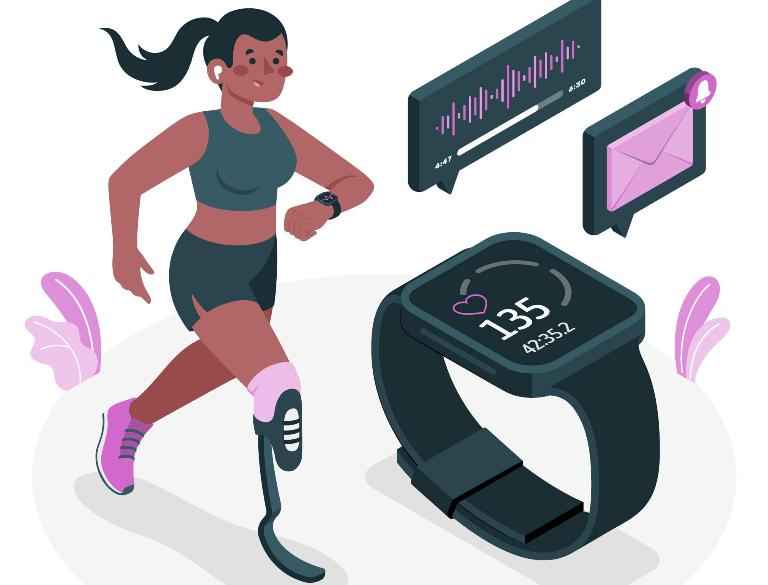
How Wearable Fitness Tech for Motivation And Goal-setting
Wearable fitness equipment may inspire fitness objectives. Wearable fitness equipment motivates users by providing real-time physical activity and health parameters feedback.
Goal-setting capabilities on these devices let users establish and measure their progress. Setting reasonable targets and seeing success motivates people to keep working toward their fitness goals.
Track Progress And Provide Personalized Feedback
Wearable fitness technology may also measure progress and provide individualized feedback depending on fitness levels and objectives.
Several devices include companion applications that analyze fitness data and provide thorough performance reports, emphasizing areas of success and areas for development.
This customized feedback might help fitness enthusiasts reach their objectives.
Other Benefits of Wearable Fitness Tech
Wearable fitness equipment has applications beyond monitoring health and exercise.
Many devices now monitor sleep, helping consumers to improve their sleep. Other devices assess heart rate variability and stress. Stress management may promote health and well-being.
FAQs
Is Wearable Fitness Tech Safe To Use?
Yes, it is usually safe. You should use these gadgets carefully and safely. They should visit a doctor if they are concerned about skin irritation or allergic reactions.
Can Wearable Fitness Tech Be Used During All Types Of Exercise?
Wearable fitness technology can be used for most exercises, but it must suit the activity. Running gear may not work for swimming or cycling. Consider the device’s potential to snag on equipment or distract users during high-risk operations.
What Are The Privacy Concerns Around Wearable Fitness Tech?
Wearable fitness equipment collects and shares health data, which raises privacy issues. The gadget and accompanying software capture data. Thus users should safeguard their data with secure passwords and settings.
Choosing The Right Wearable Fitness Technology
Factors To Consider When Choosing A Wearable Fitness Tech Device
The variety of wearable fitness technology devices might make choosing one difficult. Consider these while choosing:
- Features: Check for GPS, sleep, heart rate, and smartphone connection. Choose a suitable device.
- Design and Comfort: Pick a gadget that feels good on your wrist or elsewhere. Examine the device’s design, usability, and interface accessibility.
- Battery life: Determine smartphone charging frequency. Choose a smartphone with a long battery life that matches your lifestyle.
- Data Management: Choose a tool to streamline data management and sync processes. Choose anything that can record and analyze data.
- Price: Is the price fair? Select a cheap device that has the features you need.
Popular Brands And Models Of Wearable Fitness Tech
Some of the most well-known brands and models of wearable fitness technology are as follows:
- Fitbit: Fitbit is a company that manufactures fitness trackers and smartwatches that can record a user’s heart rate, as well as their sleep and other health-related data.
- Apple Watch: Apple Watch is a well-known timepiece that can monitor a user’s heart rate, GPS location, and exercises.
- Garmin: Garmin produces GPS watches, fitness trackers, and smartwatches that monitor a user’s heart rate in addition to their activity and other data.
- Samsung: Smartwatches and fitness trackers manufactured by Samsung monitor a variety of functions, including activity, heart rate, and sleep, and are compatible with smartphones.
How To Determine Which Wearable Fitness Tech Device Is Right For You
Consider these aspects while choosing a wearable fitness technology gadget:
- Exercise goals: Do you like to track your heart rate during exercise or daily actions? Sleep monitor? Find a gadget with your desired characteristics.
- Lifestyle: Wearable fitness technology should be compatible with your way of living. A device with GPS tracking may be something you desire if you’re athletic and active. If you don’t exercise often, you may prefer one that does.
- Design and comfort: Choose a device that suits your wrist or another body component comfortably. Evaluate the device’s construction, materials, usability, and interface accessibility.
- Compatibility: Verify compatibility with mobile phones and other devices. This makes monitoring fitness statistics and progresses simply.
- Price: affordable to premium wearable fitness technology products. Search for a device that suits your budget and has the required features.
- Review: Read about the experiences of other gadget users. This will allow you to select an appropriate device.
Conclusion
Wearable fitness technology gives customers unique insights and data to monitor their exercise objectives, revolutionizing the fitness business. It motivates and tracks progress to enhance performance. Wearable fitness gear tracks heart rate, steps, calories burnt, and sleep habits via sensors. They connect with cell phones and other devices to make data and progress accessible.
Wearable fitness gadgets are safe for all sorts of activities despite privacy worries. While picking a gadget, consider exercise objectives, lifestyle, design and comfort, compatibility, and affordability.
Wearable fitness technology helps people reach their fitness objectives. Users may track their progress, remain inspired, and improve their health with the correct equipment.