The automotive industry is in the midst of a profound transformation, influenced by emerging technologies, shifting market dynamics, and evolving consumer behaviors. Automakers are now facing challenges and opportunities presented by electrification, AI-driven systems, and heightened demands for sustainability. The rise of software-defined vehicles, coupled with global regulatory pressures, is compelling companies to innovate at a faster pace than ever before.
On the other hand, Howard Wilner knows that the expansion of mobility services and the growing significance of cybersecurity are redefining the way people interact with vehicles and transportation networks. As the sector adapts, collaboration across industries and proactive investment in digital infrastructure will be key to maintaining competitiveness and building trust with consumers.
These sweeping changes are not only shaping the products on the road but also influencing the very fabric of how societies move, connect, and aspire toward a greener, smarter future.
Current State and Market Shifts in the Automotive Industry
The automotive industry is navigating a period of rapid change, marked by evolving consumer expectations and technological breakthroughs. Traditional automakers are finding themselves in competition with new entrants from the technology sector, leading to a reshaping of global market dynamics.
China’s expanding presence as both a manufacturer and exporter is altering competitive strategies worldwide, compelling established brands to rethink their supply chains and innovation cycles.
Meanwhile, the rise of flexible manufacturing and digital transformation is allowing companies to adapt more quickly to shifting demand and regulatory requirements. This trend has also prompted collaborations between legacy carmakers and startups, further accelerating innovation.
Software-Defined Vehicles and Advanced Connectivity
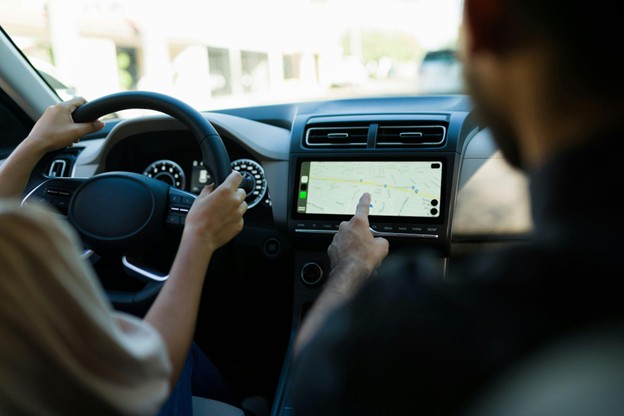
A new era is emerging as vehicles become increasingly defined by their software capabilities rather than just mechanical prowess. Leading manufacturers are equipping cars with the ability to receive over-the-air updates, unlocking new features and improving performance long after leaving the factory floor.
This shift enables drivers to experience enhanced safety, navigation, and entertainment systems that evolve over time. The ability to remotely diagnose and fix issues is helping to reduce downtime and strengthen the bond between consumers and brands.
Connectivity is also playing a critical role, with Iot integration allowing vehicles to communicate with infrastructure, other cars, and mobile devices. Such advancements are paving the way for seamless real-time diagnostics and remote control, elevating the overall driving experience and setting the stage for future innovations.
Electric Vehicles and Sustainability Initiatives
Electric vehicles are now at the forefront of automotive transformation, bolstered by falling battery costs and supportive government policies. Urban centers across Europe and Asia are investing heavily in charging infrastructure, accelerating EV adoption, and making electric mobility more practical for everyday use.
Additional incentives such as tax rebates and dedicated lanes for EVs are further encouraging consumers to make the switch.
Manufacturers are also embracing sustainable practices by incorporating recycled plastics and bio-based materials into their designs. Lightweight composites not only improve efficiency but also help automakers meet tightening emissions standards. These efforts are reshaping the industry’s environmental footprint, reflecting a broader commitment to sustainability.
With increasing pressure from both consumers and regulatory bodies, sustainability initiatives are expected to be a defining factor for brand reputation in the coming years.
Artificial Intelligence and Autonomous Driving
Artificial intelligence is becoming an integral part of modern vehicles, influencing everything from driver assistance to predictive maintenance. Brands are leveraging machine learning algorithms to personalize in-car experiences, offering adaptive cruise control, lane-keeping, and advanced emergency braking systems.
Some luxury models now feature hands-free driving capabilities on approved highways, inching ever closer to fully autonomous travel. AI is also being used to enhance traffic management and reduce congestion in urban environments.
Despite these advancements, regulatory guidelines and public trust remain hurdles. Developers are actively collaborating with policymakers to ensure that safety and ethical considerations keep pace with rapid innovation. The journey toward truly self-driving cars is still unfolding, with ongoing pilot projects and real-world testing shaping the next steps.
Cybersecurity in Modern Mobility
As vehicles become more connected, safeguarding onboard systems and personal data has grown increasingly complex.
Recent years have seen a rise in coordinated efforts to secure critical automotive infrastructure against cyber threats. Automakers are investing in robust encryption methods and regular vulnerability assessments, aiming to prevent unauthorized access and maintain consumer confidence.
Industry alliances and government agencies are also establishing new standards to address emerging risks. The evolution of cybersecurity is not only about protecting individual drivers but also about supporting the broader ecosystem of connected mobility.
Heightened awareness of cyber risks is prompting continuous updates to security protocols and encouraging the adoption of best practices throughout the supply chain.
Evolving Mobility Services and Consumer Behaviors
Mobility services are reshaping how people access transportation, with ride-hailing apps and vehicle subscription models gaining popularity in urban environments. Flexible ownership options appeal to younger generations who value convenience over long-term commitment. Car-sharing platforms and integrated mobility solutions are enabling seamless travel across different modes, from electric scooters to public transit. The rise of micro-mobility solutions is also helping to address last-mile connectivity challenges.
These shifts are prompting automakers and service providers to rethink traditional business models. By responding to changing preferences, companies are finding new opportunities for growth and forging stronger relationships with tech-savvy consumers.