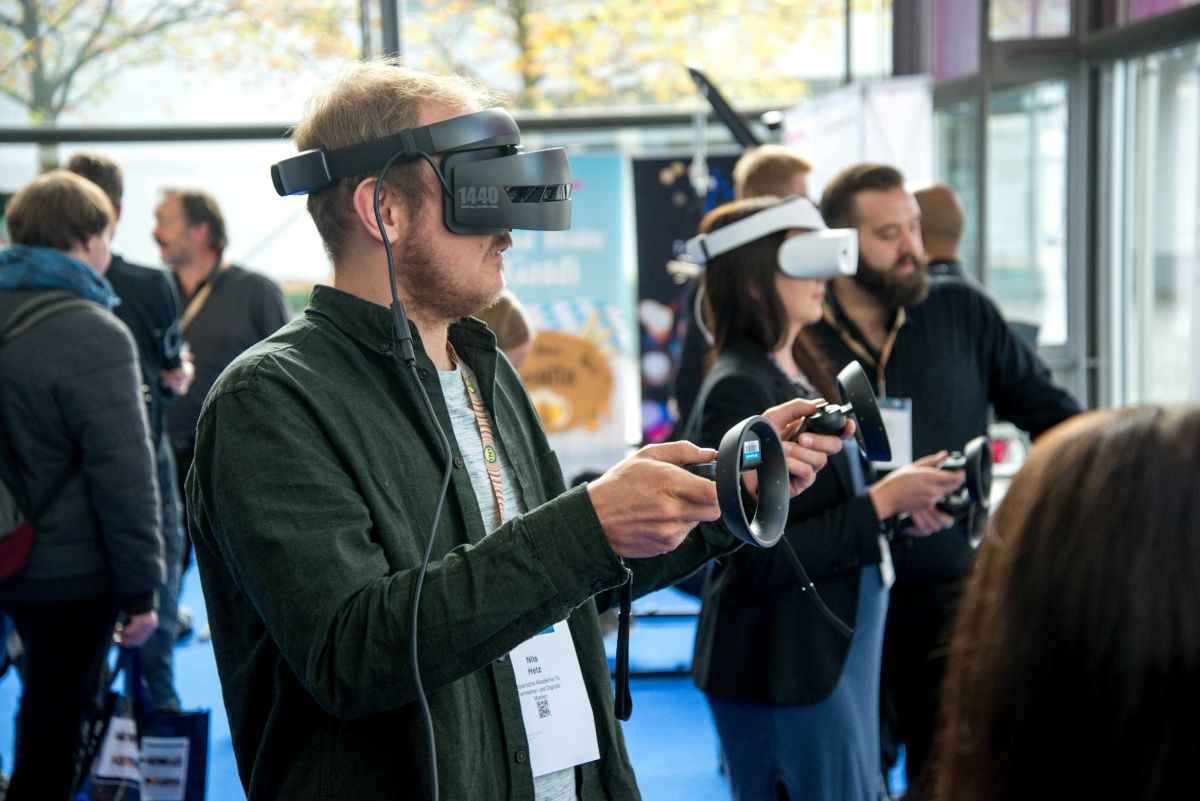
With virtual reality no longer confined to science fiction, it’s reshaping how we live, learn, work, and connect. From classrooms and hospitals to corporate offices and concert halls, VR technology is opening new possibilities that were once unimaginable. As explained by Alex Kipman, it serves as a bridge between the physical and digital realms, offering people a chance to experience situations, places, and perspectives outside their immediate reach. Whether you’re a student exploring the solar system, a patient undergoing therapy, or a professional collaborating with a global team, VR is redefining the scope and quality of those experiences.
Transforming Learning and Training
Virtual reality is reshaping how students and professionals learn by offering immersive, hands-on experiences that traditional methods can’t provide. In classrooms, students can explore historical landmarks, conduct virtual science experiments, or interact with 3D models in real time, making abstract concepts easier to grasp.
In professional settings, VR simulations allow doctors, pilots, and first responders to practice critical procedures in a controlled environment. This kind of experience boosts confidence and builds muscle memory before facing real-world situations. Remote learners also benefit by gaining access to engaging, interactive content without needing to be physically present.
Advancing Healthcare and Mental Wellness
Virtual reality is becoming an essential tool in modern medicine, offering doctors and therapists innovative ways to treat patients and train future professionals. Surgeons can rehearse complex operations in lifelike simulations, reducing risks and improving outcomes during real procedures. This allows medical teams to troubleshoot complications and refine techniques collaboratively.
For mental health, VR provides a safe space for individuals to confront phobias, manage anxiety, or process trauma through guided, controlled exposure. Patients experiencing chronic pain have also reported reduced discomfort when immersed in calming virtual environments during treatment. Therapists now have powerful new ways to engage patients who may be resistant to traditional therapy.
Redefining Work and Collaboration
Alex Kipman understands that as remote work becomes more common, virtual reality is transforming how teams communicate and collaborate across distances. Virtual meeting spaces allow colleagues to interact in lifelike settings, adding a sense of reality that video calls often lack. This can strengthen team dynamics and build rapport in ways that emails or chats cannot replicate.
Businesses are also embracing VR for employee onboarding and hands-on training, especially in industries where real-life simulations would be costly or risky. Whether it’s walking through a virtual construction site or practicing customer service scenarios, the technology helps build skills more engagingly and memorably.
Entertainment and Social Experiences
Virtual reality is breathing new life into entertainment by transforming how audiences engage with content. In gaming, players are no longer just spectators; they step inside fully realized worlds where every movement, choice, and interaction drives the experience. This added layer of immersion strengthens emotional connection and narrative impact. Game developers are now designing titles specifically for VR, pushing creative boundaries and gameplay innovation.
Musicians, filmmakers, and performers are reimagining how they reach audiences using VR platforms. A concert can now be attended from thousands of miles away, with front-row views and 360-degree visuals that bring fans closer than ever. This shift is opening fresh creative possibilities for artists and producers alike. Film festivals and art exhibitions are beginning to feature VR experiences as a new genre of storytelling.
Virtual reality is also reshaping how people connect and share experiences across the globe. Social VR platforms offer more than just chatrooms; they create shared spaces where users can interact, attend events, or explore digital worlds together, regardless of their physical location. People can meet in virtual cafes, attend virtual weddings, or even participate in live panel discussions.
Real Estate and Design
Alex Kipman explains that prospective buyers can now tour properties from the comfort of their homes, walking through every room as if they were physically there. This not only saves time but also allows agents to reach clients across cities or even continents. Luxury properties, in particular, benefit from VR walkthroughs that highlight architectural details and spatial flow.
Designers and architects are also leveraging VR to showcase projects before a single brick is laid, helping clients visualize layouts, materials, and spatial flow tangibly. Interior designers can even test different furniture arrangements and lighting schemes virtually, reducing the guesswork.