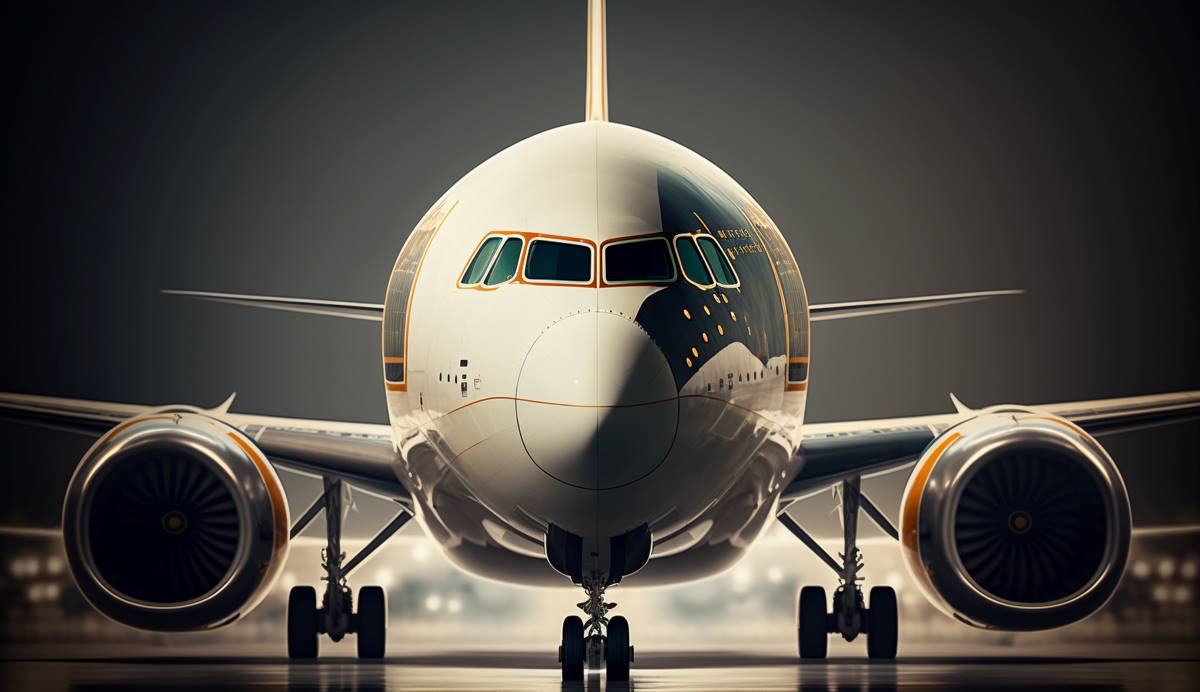
Buckle up because we’re about to embark on a journey through the sky-high world of aviation trends. From groundbreaking technologies to changing consumer preferences, the aviation industry is constantly evolving. So, let’s fasten our seatbelts and explore what’s propelling this dynamic industry forward.
1. Sustainable Aviation: Flying Green
Picture this: gliding through the clouds, knowing you’re leaving behind a smaller carbon footprint. That’s the dream of sustainable aviation, and it’s becoming more of a reality every day. Here’s how:
- Biofuels: Airlines are turning to biofuels made from renewable sources like algae and used cooking oil to reduce their reliance on fossil fuels.
- Electric Aircraft: Yup, you heard it right! Electric planes are no longer just a thing of sci-fi movies. Companies are working on developing electric propulsion systems to power aircraft, promising quieter and cleaner flights. Pilot John International and other suppliers will increasingly sell more eco-friendly parts.
- Carbon Offsetting: Many airlines are implementing carbon offsetting programs, allowing passengers to compensate for their flight’s emissions by investing in environmental projects.
2. Digital Transformation: Flying High in the Digital Age
In today’s digital era, the aviation industry is embracing technology like never before. From online booking platforms to in-flight Wi-Fi, here’s how technology is taking flight:
- Biometric Boarding: Say goodbye to boarding passes and hello to facial recognition! Biometric technology is streamlining the boarding process, making it faster and more secure.
- Predictive Maintenance: Airlines are harnessing the power of data analytics to predict maintenance issues before they occur, minimizing delays and improving safety.
- Virtual Reality (VR): Ever wanted to explore your destination before even stepping foot off the plane? With VR technology, airlines are offering virtual tours and experiences to passengers, enhancing their travel journey.
3. Personalized Travel Experiences: Tailored to You
Gone are the days of one-size-fits-all travel. Today, airlines are all about offering personalized experiences to their passengers. Here’s how they’re doing it:
- Customized Amenities: From pre-selecting your in-flight meal to choosing your preferred seat configuration, airlines are giving passengers more control over their travel experience.
- Data-driven Insights: By analyzing passenger data, airlines can offer personalized recommendations and services, making each journey feel tailor-made for the traveler.
- Loyalty Programs: Airlines are ramping up their loyalty programs, rewarding frequent flyers with perks like priority boarding, lounge access, and exclusive offers.
4. Urban Air Mobility: Taking Flight in the City
Imagine hopping on a flying taxi to beat the rush hour traffic. That’s the promise of urban air mobility (UAM), and it’s revolutionizing urban transportation:
- Electric Vertical Takeoff and Landing (eVTOL) Aircraft: These futuristic aircraft can take off and land vertically, making them perfect for navigating crowded cityscapes.
- Airspace Management: As more eVTOL aircraft take to the skies, effective airspace management will be crucial to ensure safe and efficient operations.
- Last-Mile Connectivity: UAM has the potential to bridge the gap between traditional modes of transportation, providing a seamless journey from doorstep to destination.
5. Health and Safety: Navigating the New Normal
In the wake of the COVID-19 pandemic, health and safety have become top priorities for airlines. Here’s how they’re adapting to the new normal:
- Enhanced Cleaning Protocols: Airlines are implementing rigorous cleaning procedures to ensure aircraft are thoroughly sanitized between flights.
- Contactless Travel: From check-in to boarding, airlines are minimizing physical contact through touchless technology and mobile apps.
- Health Screenings: Some airlines are conducting health screenings such as temperature checks and pre-flight COVID-19 testing to ensure the safety of passengers and crew.
6. Emerging Markets: Opening New Horizons
While traditional aviation hubs like the United States and Europe have long dominated the industry, emerging markets are now taking center stage. Here’s why:
- Growing Middle Class: With the rise of the middle class in countries like China, India, and Brazil, there’s an increasing demand for air travel, creating new opportunities for airlines to expand their routes.
- Infrastructure Development: Emerging markets are investing in modernizing their airports and air traffic management systems to accommodate the growing demand for air travel.
- Tourism Boom: Countries in Asia, Africa, and South America are experiencing a tourism boom, attracting visitors from around the globe and driving growth in their aviation sectors.
7. Space Tourism: Beyond the Stratosphere
Forget about jet-setting around the world – the next frontier for travel is outer space! With companies like SpaceX and Blue Origin leading the charge, space tourism is no longer just a pipe dream. Here’s what’s on the horizon:
- Suborbital Flights: Companies are developing spacecraft capable of taking passengers on brief journeys to the edge of space, offering breathtaking views of the Earth below.
- Orbital Hotels: Imagine spending your vacation aboard a space station orbiting the Earth! Companies are working on plans to build commercial space stations that could serve as hotels for adventurous travelers.
- Lunar Exploration: Beyond Earth’s orbit, there’s a whole universe waiting to be explored. Companies like SpaceX have ambitious plans to send tourists to the Moon and beyond, opening up a whole new realm of possibilities for space travel.
Flying into the Future
As we soar into the future, one thing is clear: the aviation industry is evolving at a rapid pace. From sustainable initiatives to digital innovations, the sky’s the limit when it comes to shaping the future of flight.